Introduction
Wound treatment is a crucial facet of medical care that includes the assessment, therapy, and management of injuries resulting from different reasons, including surgery, injury, or persistent problems. In recent times, the need for knowledgeable specialists in this field has surged because of a maturing population and enhancing incidences of persistent diseases. For aiming medical care professionals, acquiring specialized expertise via wound care training courses can open doors to rewarding jobs. This post will outline the Top 5 Wound Care Training Courses for Aspiring Health care Professionals, highlighting their advantages and just how they prepare people for the challenges of wound care.
What is Wound Care Expert Training?
Wound care professional training furnishes health care professionals with the needed skills to evaluate and take care of different kinds of injuries efficiently. This customized training includes comprehending wound recovery processes, using various dressing strategies, and managing complex wound care scenarios.

The Importance of Wound Care Training for Nurses
Nurses play an essential role in individual treatment, specifically in managing wounds. With proper training, registered nurses can enhance their expertise in injury evaluation and treatment protocols. Wound treatment training for nurses concentrates on:
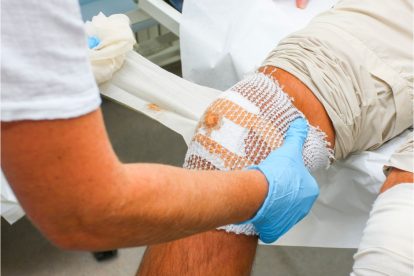
- Recognizing different types of wounds Understanding underlying causes Implementing appropriate treatment plans Monitoring client progress
Why Pick Wound Care Training Courses?
Opting for official wound treatment training courses can substantially benefit aspiring medical care specialists by offering them with structured education and learning and hands-on experience. These training courses commonly cover:
- Basic injury care principles Advanced strategies in chronic wound management Clinical technique opportunities
Top 5 Wound Care Training Courses for Aspiring Medical Care Professionals
1. National Alliance of Injury Treatment and Ostomy (NAWCO) Accreditation Course
Overview
The NAWCO uses an extensive qualification program that prepares prospects for the Licensed Wound Treatment Registered Nurse (CWCN) test. This course covers vital topics such as anatomy, physiology, injury healing processes, and therapy modalities.
Course Highlights
- Duration: Typically spans a number of weeks with both online and in-person components. Target Audience: Nurses, physical therapists, and various other healthcare professionals. Outcome: Qualification as a CWCN upon passing the exam.
Benefits
This program attracts attention as a result of its rigorous educational program that stresses evidence-based practices. Participants obtain functional understandings into complicated wound administration while additionally finding out about appropriate plans impacting patient care.
2. Wound Certification Course at The George Washington University
Overview
The George Washington University supplies a durable wound treatment nurse training program developed for qualified doctor looking to specialize further in injury management.
Course Highlights
- Duration: Around six months. Target Audience: Nurse practitioner and allied health and wellness professionals. Outcome: Individuals make a certification upon completion.
Benefits
This program emphasizes interprofessional cooperation in injury treatment settings, which is vital for efficient individual management. Pupils additionally engage in study that enhance their professional reasoning skills.
3. American Academy of Wound Management (AAWM) Qualification Program
Overview
The AAWM offers an extensive qualification program focused on improving knowledge in chronic wound care management. It prepares participants to take the Qualified Wound Professional (CWS) exam.

Course Highlights
- Duration: Self-paced online study with an optional workshop component. Target Target market: Registered nurses, medical professionals, podiatric doctors, physical therapists. Outcome: Accreditation as a CWS upon successful conclusion of the exam.
Benefits
With its flexible style, this training course enables participants to stabilize specialist duties while advancing their know-how in wound care management techniques that are applicable throughout numerous settings.
4. Complex Wound Management Training Course at MedStar Health
Overview
MedStar Wellness provides a specific program concentrating on complex wound management tailored especially for sophisticated method providers.
Course Highlights
- Duration: One-week extensive program. Target Audience: Nurse experts and medical professional assistants. Outcome: Certificate of completion with sensible skills application.
Benefits
Participants get hands-on experience through simulation labs and clinical rotations within MedStar's facilities. This real-world direct exposure is important when handling clients that have persistent problems requiring sophisticated interventions.
5. Basic Wound Care Training by NDIS Support Services
Overview
The National Special needs Insurance policy Plan (NDIS) offers basic wound care training targeted at sustaining caretakers dealing with individuals who require help because of specials needs or persistent health issues.
Course Highlights
- Duration: Two-day workshop. Target Target market: Carers and assistance staff. Outcome: Practical skills attained; no official qualification awarded but important understanding gained.
Benefits
The NDIS program focuses on functional applications suited to the unique requirements of disabled individuals while highlighting thoughtful caregiving techniques necessary in any type of medical care setting.
How Do These Programs Improve Occupation Opportunities?
Taking part in these well-regarded programs not just boosts a person's ability yet likewise dramatically improves profession prospects within the medical care sector:
Increased Job Bankability: Specialized expertise makes prospects much more appealing to companies seeking certified workers for settings including wound treatment and management
Higher Gaining Potential: Professionals outfitted with accreditations often command greater incomes compared to their non-certified peers because of their advanced skill set.
Networking Opportunities: Many training courses provide networking chances with fellow professionals which can result in mentorships or job references down the line.
Confidence Structure: Comprehensive education boosts confidence levels when handling complex cases-- crucial when making scientific decisions impacting client outcomes.
FAQs about Wound Care Training Courses
1. What is the common duration of these courses?
Most programs vary from two days to 6 months depending upon depth and intricacy; some deal self-paced choices as well.
2. Are there requirements for enrolling?
Prerequisites vary by program; several require individuals to hold nursing or similar health care credentials prior to enlisting in specialized programs like those used by NAWCO or AAWM.
3. Do these programs give hands-on experience?
Yes! Numerous programs include clinical practicum parts enabling trainees direct communication with people under supervision-- a crucial element of discovering effective techniques in real-world settings!
4. Is financial assistance available?
Many organizations supply scholarship alternatives or payment plans designed particularly for aspiring trainees thinking about seeking these specialized accreditations-- always examine directly with specific programs!
5. Exactly how do I pick in between different courses?
Consider your job objectives initially; if you desire to concentrate exclusively on chronic injuries opt for AAWM's CWS qualification-- but if you're considering basic nursing functions then NAWCO could be much more suitable!
6. What resources are offered after finishing a course?
Upon conclusion finishes normally gain access not simply certificates however also continuous expert development sources such as webinars providing updates on existing finest techniques within the field!
Conclusion
Investing time right into obtaining specialized education via among these superior courses makes certain that future health care professionals arise not only experienced however also prepared to deal with varied challenges inherent within modern-day clinical atmospheres surrounding wound care-- a crucial area requiring both skilled application coupled with effective wound care and management empathetic approaches towards people experiencing discomfort from different conditions! By furnishing themselves sufficiently by means of structured learning experiences positioned together with sensible application chances provided throughout each respective program provided above-- individuals will certainly locate themselves poised at leading edges all set address advancing requirements bordering chronic wound treatment management!